Gypsum Plaster Application System
Gypsum plaster is not a modern invention like Portland cement, as some people might suggest. We know that it was used by the ancient Egyptians to plaster the pyramid at Cheops.
Features
GypPlaster is a material superior to other alternatives for the internal plastering of all structure, this system replaces sand and cement master. Pre mixed GypPlaster ready to use on a wide variety of back grounds or surfaces such as bricks, concrete, cement blocks, fire brick. The plaster has smooth surface and an off-white appearance which can be finished in the normal manner (paint, wall paper etc) or left as it is for low cost housing. GypPlaster is free from inherent shrinkage cracks and presents a smooth surface, and reduces time spent in the waiting for the plaster to dry completely. This system is unsuitable for area subject to continuously damp or humid conditions.
Application
All commercial and residential buildings such as: Theatres, Hotel, Shopping centers, Industrial factories, and houses.
Advantages
- The cost effective & the strong alternative of cement for plastering walls.
- No need of sand and cement, completely clean site.
- Provides smooth, seamless & durable surface.
- Excellent external heat insulation property.
- Reduces echoes and level of noise.
- 70% Faster than sand cement.
- Quick and easy to work with
- Ready to paint in few days.
- Requires less paint.
- Salt resistant.
Preparation of Gypsum Plaster
This system can be applied in layer coating from 13mm up to 50mm thickness. GypPlaster is easily mixed with clean water at a recommended ratio.
Steps
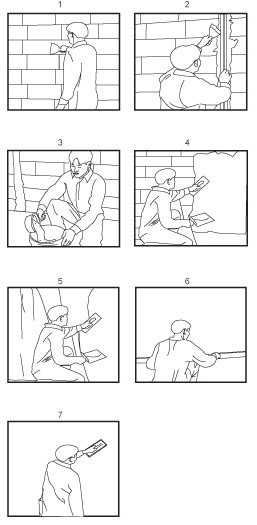
- Surface of background must be dry, free from dust or grease.
- Determine reference line to indicate the coat thickness at every 150 interval.
- Pre-fill in any slacks or hollows
- Mix DFB GypPlaster with clean water according recommended ratio in a clean bucket or other suitable container.
- Trowel applies with firm pressure, build out to 13mm thickness, and spread plaster throughout required surface.
- When stiffen, further flattening and paring should be carried out.
- Apply triangular darby to even surface after set.
- Allow it to sufficiently firm, scour the surface with a sponge float and water as required to raise fat to the surface.
- Progressively trowel to a smooth matt finish.
- Wait until completely dry for further decoration either by panting or wallpaper.